 +91 63523 57694
Precision spine care
Microscopy
Spine Surgery
Advanced surgical techniques designed around precision, safety, and recovery.
A focused approach
What is Microscopy
Spine Surgery?
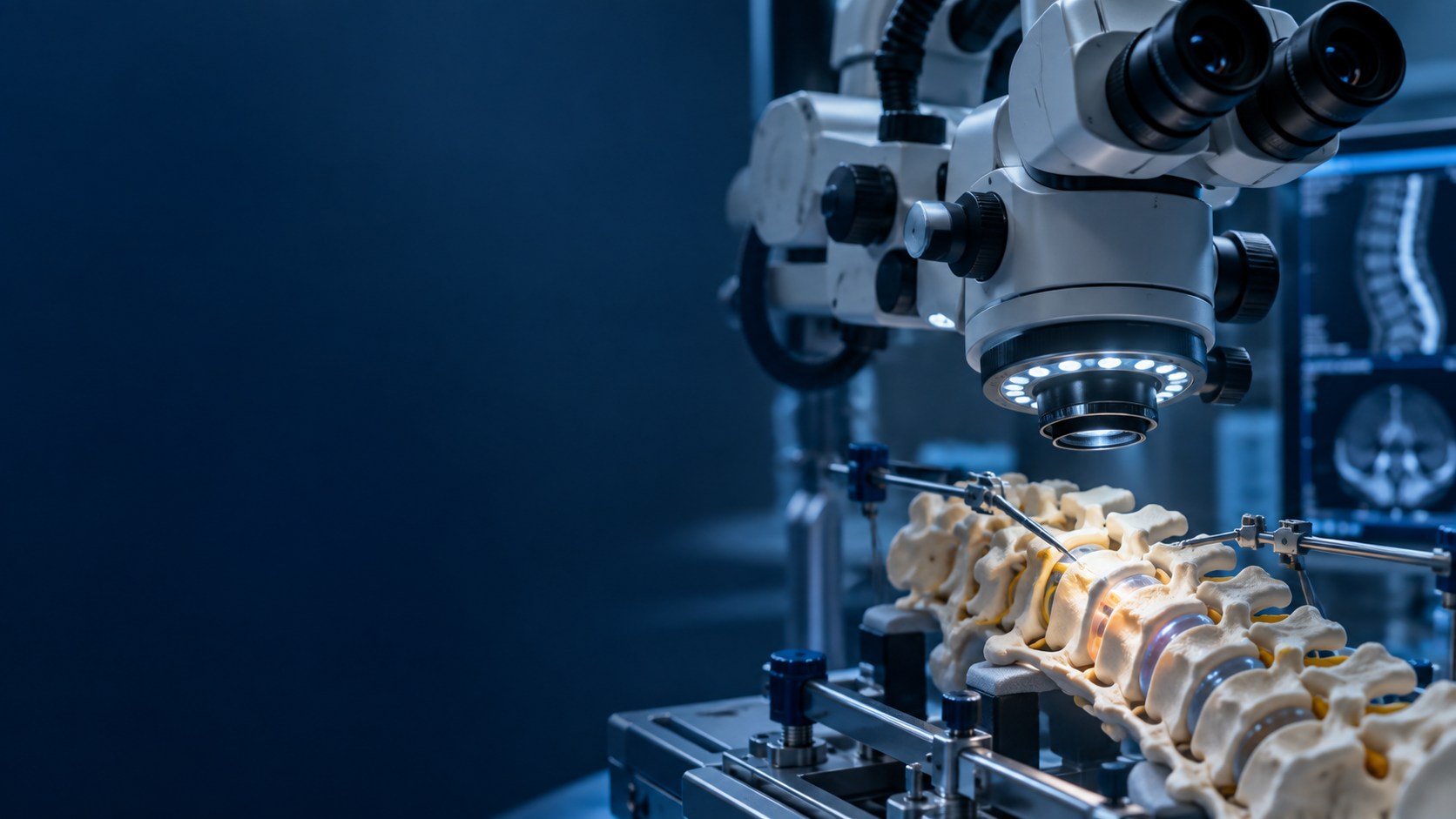
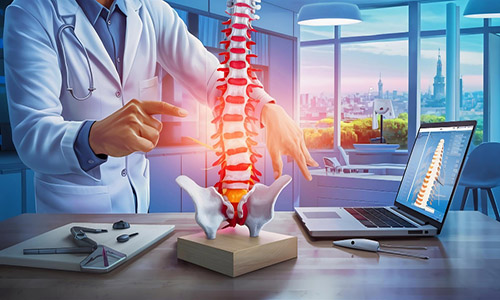
Microscopy spine surgery, also known as minimally invasive spine surgery (MISS) or microsurgical spine surgery, is a type of procedure performed using specialised microscopes and miniature surgical instruments.
It may offer potential benefits over traditional open surgery, including reduced postoperative pain, shorter hospital stays, quicker recovery, and potentially lower risk of complications.
Not every spinal condition is suitable for microscopy spine surgery. The decision should be made in consultation with a qualified spine surgeon.
How it differs
Common features of
Microscopy Spine Surgery.
Microscopy techniques use magnification and specialised instruments to support a focused surgical approach.
01 Small Incisions
Instead of making large incisions as in traditional open spine surgery, microscopy spine surgery involves making small incisions, usually less than an inch long.
02 Microscopic Visualization
Specialised microscopy provides a magnified, illuminated view of the surgical area to support detailed visualisation during the procedure.
03 Precision Instruments
Miniature surgical instruments are used to work through a focused approach, based on the individual procedure and the surgeon’s clinical judgement.
04 Minimal Tissue Damage
A smaller surgical approach may reduce disruption to surrounding tissues compared with traditional open surgical techniques.
Treatment areas
Treatment of common
microscopy spine conditions.
Whether microscopy surgery is appropriate depends on the diagnosis, the affected area of the spine, symptoms, and a detailed clinical assessment.
01 Herniated Discs
In microscopy spine surgery, a small incision is made and specialised instruments and microscopes are used to remove the portion of the herniated disc that is pressing on a nerve root or spinal cord. This procedure is known as a microdiscectomy.
02 Spinal Stenosis
For selected patients, microscopy techniques may be used to help relieve pressure on spinal nerves caused by narrowing within the spinal canal.
03 Spinal Fusion
Spinal fusion may be considered in selected cases to support stability. The approach is planned according to the specific condition and treatment goals.
04 Spinal Tumors
Management of spinal tumors depends on their location, type, and effect on surrounding structures. A specialist assessment is essential for planning care.
05 Vertebral Fractures
Treatment depends on fracture stability, symptoms, and any effect on the spinal nerves. The goal is to protect the spine and support safe recovery.
06 Degenerative Disc Disease
Care for disc degeneration is individualised and may include non-surgical options or surgery when symptoms and imaging findings indicate a focused intervention is appropriate.