 +91 63523 57694
Specialised treatment
Spine
Deformity
Carefully considered diagnosis and treatment for spinal alignment conditions.
Understanding the condition
What is Spine Deformity?
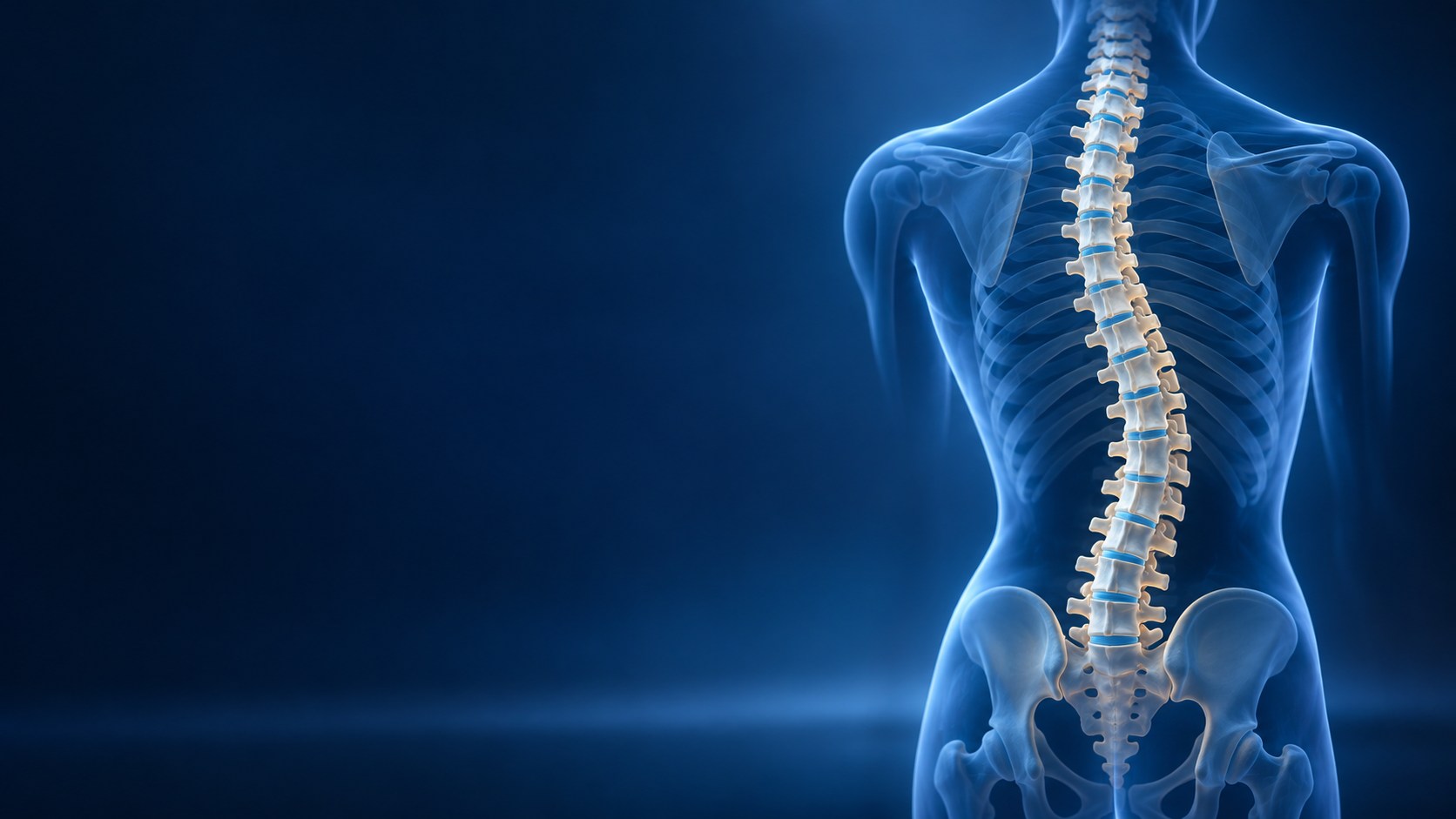
Spine deformity refers to any abnormal curvature or misalignment of the spine. There are several types of spine deformities, each with its own characteristics and potential causes.
Treatment can vary widely depending on the specific type and severity of the deformity. The approach is guided by factors including the patient’s age, overall health, and the presence of other medical conditions.
Every treatment plan begins with a detailed assessment of the condition and the person behind it.
Conditions we assess
Common spine
deformities.
Spinal alignment conditions can affect posture, comfort, movement, and overall wellbeing. Select a condition to learn more.
01 Scoliosis
Scoliosis is a sideways curvature of the spine that often develops during adolescence. It can be mild, moderate, or severe, and may cause the spine to curve to the left or right.
02 Kyphosis
Kyphosis describes an exaggerated forward rounding of the upper back. It may develop from posture, age-related changes, or conditions affecting the vertebrae.
03 Lordosis
Lordosis is an increased inward curve of the lower back. Assessment focuses on the curve itself, symptoms, posture, and any underlying cause.
04 Flatback Syndrome
Flatback syndrome involves loss of the normal curve in the lower spine, which can make it harder to stand upright comfortably for extended periods.
05 Scheuermann’s Disease
Scheuermann’s disease is a growth-related spinal condition that can lead to a more pronounced curve in the upper back during adolescence.