Dr. Vatsal Parmar  |  Spine & Orthopaedic Care

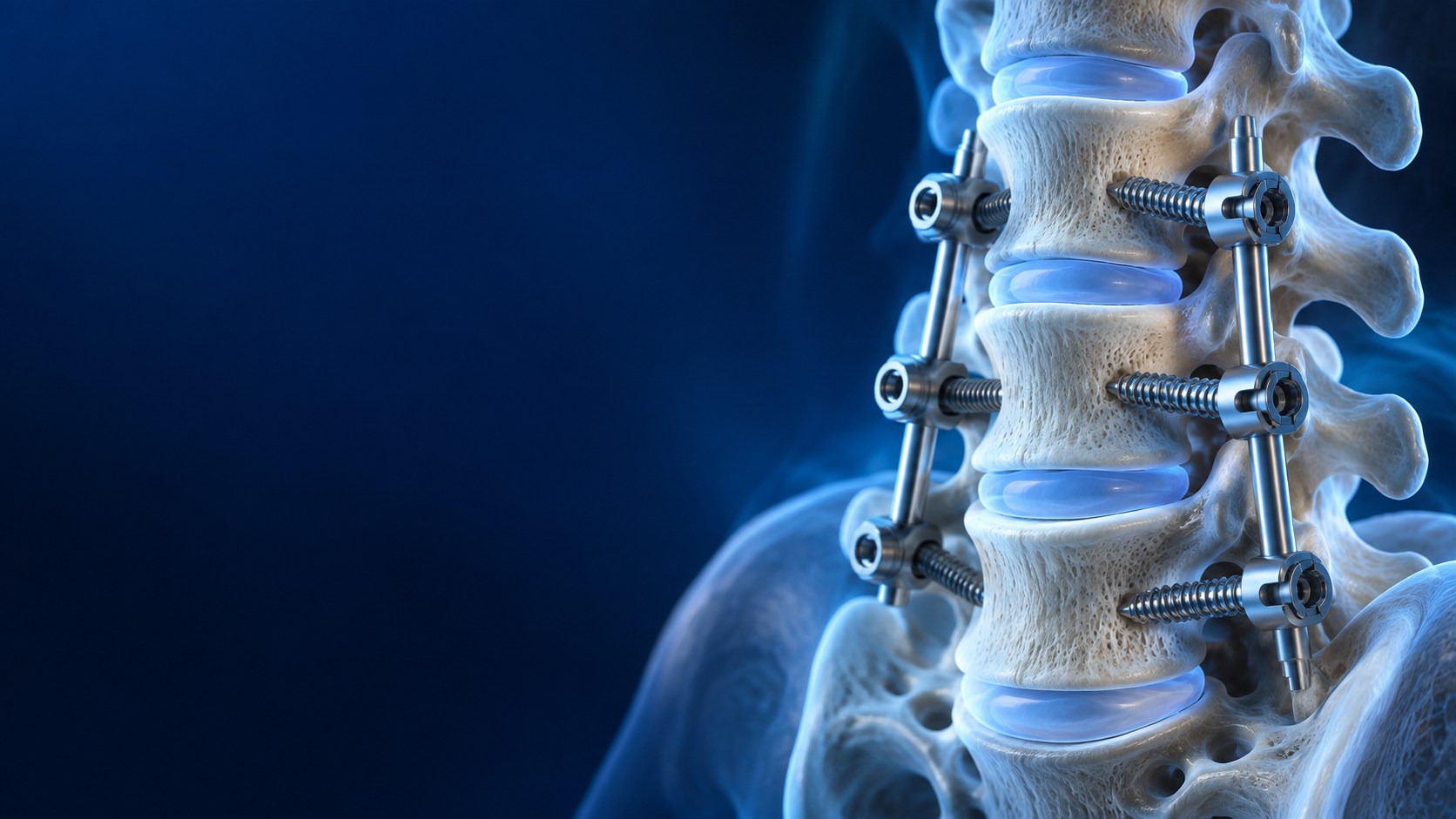
Spinal stabilisation surgery illustration

Specialist surgical care

Spine Surgery
Treatment

Thoughtful surgical planning, expert precision, and support through every stage of recovery.

Spine surgery treatment illustration
Care pathway Assessment. Planning. Recovery.

Understanding your options

What is Spine Surgery
Treatment?

Spine surgery is a medical procedure performed to treat various spinal conditions, ranging from herniated discs to spinal deformities and spinal tumors. The treatment approach depends on the specific condition, its severity, overall health, and other individual factors.

01

Before surgery, patients typically undergo a thorough evaluation, including imaging tests and consultations with specialists.

02

In many cases, conservative treatments such as medication, physical therapy, and injections are considered before surgery.

Procedure options

Common spine
surgery treatments.

Every procedure is recommended only after a detailed assessment of the condition, symptoms, scans, and treatment goals.

02

Spinal Fusion

Fusion may be considered to stabilise selected parts of the spine when movement between vertebrae is contributing to symptoms or instability.

03

Laminectomy

A laminectomy removes part of the bony covering of the spinal canal to create more room for the spinal cord or nerves in selected cases.

04

Vertebroplasty & Kyphoplasty

These procedures may be considered for certain vertebral compression fractures to help stabilise the affected bone.

05

Artificial Disc Replacement

In selected patients, an artificial disc may be used to replace a damaged disc while aiming to preserve motion at that spinal level.

Procedure guide

Treatment of
common spine
surgery conditions.

Explore the procedures commonly considered for different spinal conditions. The appropriate treatment is always determined by an individual specialist assessment.

01 Discectomy / Microdiscectomy
Description
This procedure involves removing a portion of a herniated or bulging disc that is pressing on a nerve root or spinal cord.
Treatment for
Herniated discs, bulging discs, sciatica, leg pain, numbness, or weakness.
Techniques
Traditional open surgery or minimally invasive microdiscectomy.
Benefits
May relieve pressure on nerves, reduce pain, and improve mobility in selected cases.
Recovery
Minimally invasive approaches may result in faster recovery and less postoperative pain than traditional open surgery.
02 Spinal Fusion

Spinal fusion may be used to stabilise selected parts of the spine when instability or painful movement between vertebrae is a contributing concern.

03 Laminectomy

A laminectomy removes part of the bony covering of the spinal canal to create additional space for spinal nerves in selected cases.

04 Vertebroplasty / Kyphoplasty

These procedures may be considered for certain vertebral compression fractures to help stabilise the affected bone.

05 Artificial Disc Replacement

For selected patients, an artificial disc may be used to replace a damaged disc while aiming to preserve movement at that spinal level.